
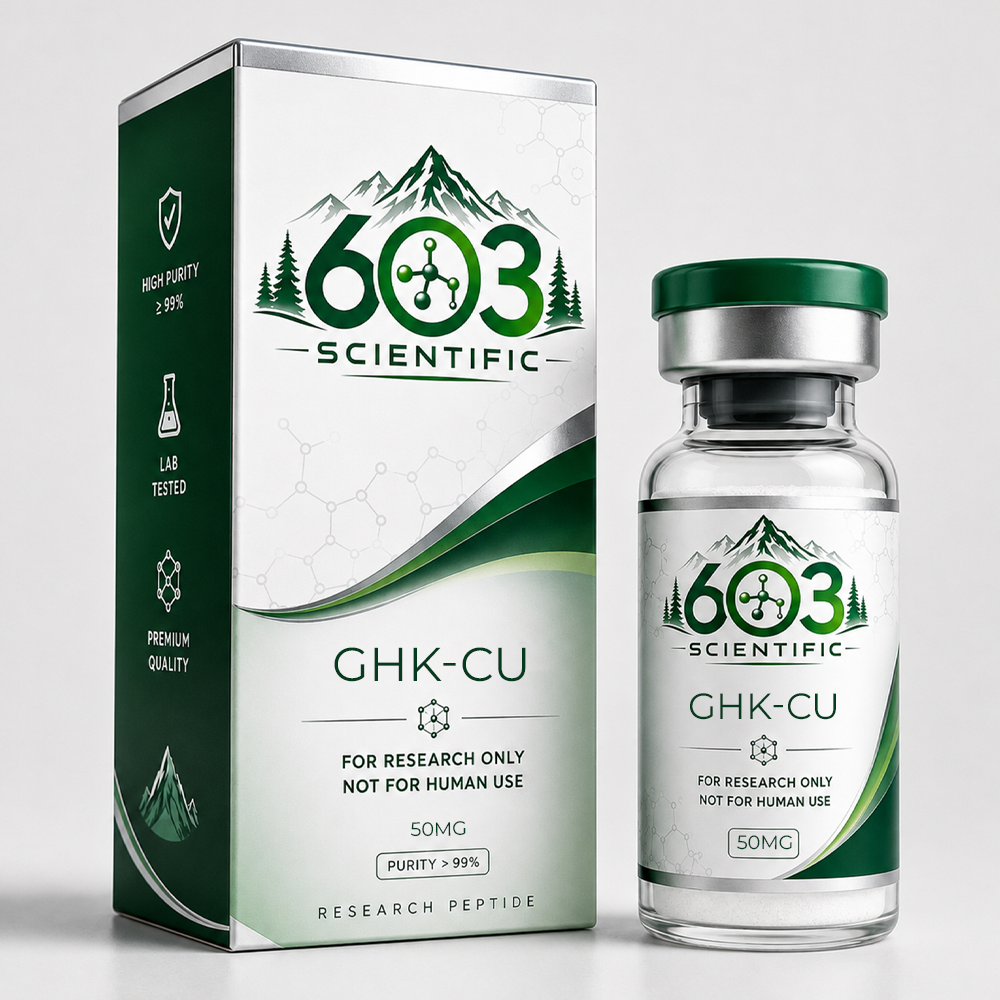
Description
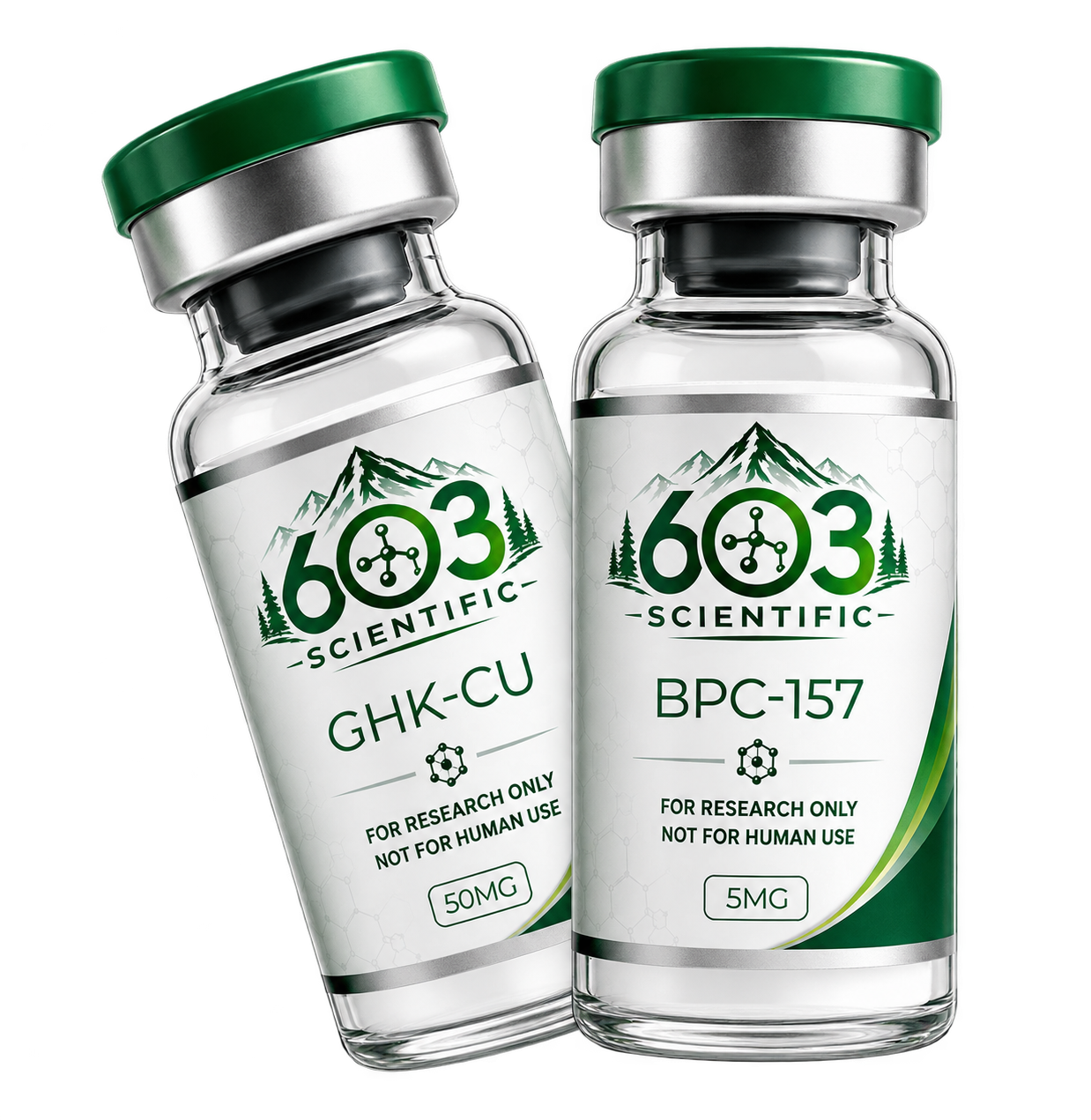
GHK-Cu is a defined copper-peptide research material formed by the tripeptide glycyl-L-histidyl-L-lysine in association with copper. It is widely utilized in biochemical and analytical research involving peptide-metal coordination, molecular characterization, and controlled laboratory investigation.
Supplied exclusively for laboratory research, analytical testing, and scientific investigation, GHK-Cu may be utilized in appropriately controlled experimental environments involving copper-peptide characterization, metal-binding studies, molecular interaction research, comparative peptide investigations, chromatographic evaluation, analytical assay development, stability assessment, degradation analysis, and other non-clinical in vitro laboratory applications.
GHK-Cu is prepared and documented under controlled quality procedures intended to support material identification, batch consistency, traceability, and analytical transparency. Its defined peptide-metal composition provides a clear basis for identity assessment, coordination analysis, chromatographic comparison, and other laboratory investigations conducted under established research protocols. Batch-specific analytical documentation may be available to support material verification and research recordkeeping.
Research Applications
GHK-Cu may be utilized in laboratory research activities including:
- Copper-peptide identity and characterization studies
- Peptide-metal coordination research
- Copper-binding and complexation studies
- Molecular interaction investigations
- Comparative peptide analysis
- Chromatographic and analytical evaluation
- Analytical assay development
- Stability and degradation assessments
- Controlled in vitro laboratory research
Research applications may vary according to laboratory protocols, institutional requirements, analytical methods, experimental design, and individual study objectives.
Storage & Handling
To help maintain material integrity:
- Store according to the conditions stated on the product label or accompanying documentation.
- Protect from excessive heat, moisture, and direct light.
- Maintain appropriate laboratory storage conditions throughout handling and analysis.
- Following preparation for laboratory analysis, maintain storage conditions according to validated research protocols.
- Avoid unnecessary environmental exposure that may affect material stability.
- Handle using appropriate laboratory safety procedures and aseptic techniques where applicable.
Quality Assurance
GHK-Cu is supplied under established quality-control procedures designed to support laboratory consistency, material identification, traceability, and research transparency. Quality review may include chromatographic analysis, copper-peptide identity assessment, batch verification, product traceability, and supporting analytical documentation. A Certificate of Analysis (COA) or related batch analytical documentation may be available for the applicable lot.
Additional Information
| Specification | Details |
| Product Name | GHK-Cu |
| Quantity | Refer to Product Label |
| Product Type | Copper-Tripeptide Research Material |
| Peptide Identity | Glycyl-L-Histidyl-L-Lysine Copper Complex |
| Components | GHK Tripeptide • Copper |
| Research Classification | Research Use Only (RUO) |
| Format | Refer to Product Label / Documentation |
| Research Focus | Copper-Peptide Characterization and Analytical Investigation |
| Intended Use | Laboratory Research and Analytical Testing |
| Documentation | Batch Analytical Documentation Where Available |
Research Use Disclaimer
FOR RESEARCH USE ONLY (RUO).
GHK-Cu is supplied exclusively for laboratory research, analytical testing, and scientific investigation purposes.
This product is not intended for human consumption, veterinary use, clinical applications, diagnosis, treatment, cure, mitigation, or prevention of any disease or medical condition.
This material is not represented as a drug, food, cosmetic, dietary supplement, or therapeutic product. By purchasing this material, the buyer acknowledges that it is intended solely for appropriately controlled research environments and must be handled in accordance with applicable laboratory procedures, institutional requirements, and laws.

Reviews
There are no reviews yet.